Playstation 5 and Playstation 5 Pro: Which Console to Buy in 2026

Choosing between the **PS5** and **PS5 Pro** in 2026 requires understanding what each console offers. Both systems deliver exceptional gaming experiences, but they target different audiences with distinct feature sets. The standard PS5 remains a powerhouse for most gamers, while the PS5 Pro pushes boundaries for enthusiasts seeking cutting-edge performance.
The decision ultimately depends on your gaming priorities, budget, and display setup. This guide breaks down everything you need to know to make an informed choice.
Quick pick: Compare top-rated Playstation options.
Overview of the Consoles
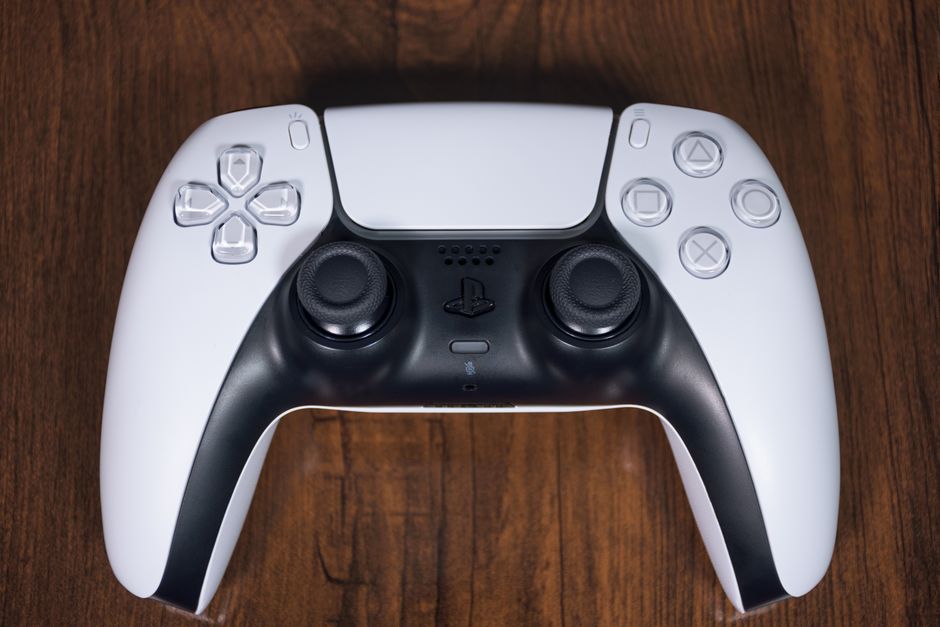
The **Playstation 5** launched in 2020 as Sony’s flagship gaming system, featuring a custom AMD Zen 2 CPU and RDNA 2 GPU. It delivers 4K gaming at up to 120fps, with 16GB of GDDR6 RAM and an ultra-fast 825GB SSD. The console revolutionized load times and introduced the innovative DualSense controller with haptic feedback.
The **PS5 Pro** arrived in late 2024 as the premium variant, boasting enhanced GPU performance with approximately 67% more compute units. It features advanced ray tracing capabilities, AI-driven upscaling technology, and targets 8K output for compatible displays. The Pro model maintains the same CPU architecture but clocks higher under boost.
Both consoles share backward compatibility with PS4 titles and access to the same game library. The standard PS5 appeals to mainstream gamers seeking exc nt performance at a reasonable price point. The PS5 Pro targets tech enthusiasts, competitive players, and those with high-end 4K or 8K displays who demand maximum visual fidelity.
Key Features of the Consoles

Both consoles access the **same exclusive game library**, including titles like Spider-Man 2, God of War Ragnarök, and Horizon Forbidden West. No games are exclusive to the Pro model. However, many first-party titles receive Pro-enhanced patches that unlock higher resolutions, improved frame rates, or enhanced ray tracing effects.
The **graphics and performance gap** becomes evident in demanding titles. The PS5 Pro renders games at native 4K more consistently, while the standard PS5 often uses dynamic resolution scaling. In performance modes, the Pro maintains 60fps more reliably in graphics-intensive scenes. Ray tracing performance shows the most dramatic difference, with the Pro handling complex lighting scenarios without significant frame drops.
Both systems feature the **DualSense controller** with adaptive triggers and haptic feedback. The user interface remains identical across both consoles. The Pro model includes 2TB of storage compared to the standard’s 825GB, reducing the need for storage expansion. Both support the same M.2 SSD expansion slot for additional storage.
Pros and Cons of Each Console
The **standard PS5 advantages** include its lower price point at $499 for the disc version. It delivers exceptional performance for 1080p and 1440p gaming, making it ideal for most display setups. The console handles virtually all current-generation games smoothly at high settings. Its smaller power consumption results in lower electricity costs over time.
The **PS5 Pro advantages** center on future-proofing and maximum performance. It handles 4K gaming at higher settings with better consistency. The enhanced ray tracing creates more realistic lighting and reflections in supported titles. AI upscaling technology improves image quality without performance penalties. The larger storage capacity accommodates more games without deletion.
Potential **PS5 drawbacks** include limited storage requiring management or expansion. Some demanding titles may require choosing between visual quality and frame rate. The console shows its limits with the most advanced ray tracing implementations.
The **PS5 Pro drawbacks** primarily involve cost at $699-799 depending on configuration. The performance improvements require a high-quality 4K display to appreciate fully. Power consumption runs higher, increasing operational costs. The visual differences may not justify the premium for casual gamers or those with 1080p displays.
Gameplay Experience Comparison
The **immersive gaming experience** differs subtly between consoles. Both deliver stunning visuals and smooth gameplay in most scenarios. The PS5 Pro shines in games with intensive particle effects, complex lighting, or dense environments. Titles like Ratchet & Clank: Rift Apart and Final Fantasy XVI demonstrate more stable performance on the Pro during action-heavy sequences.
The **audio quality** remains identical, as both consoles feature the same Tempest 3D AudioTech engine. Spatial audio performance depends more on your headphones or sound system than the console hardware. Both systems support Dolby Atmos through compatible receivers.
**Loading times** show minimal differences between consoles. Both feature ultra-fast SSDs that eliminate traditional loading screens in optimized titles. The PS5 Pro may load certain games 1-2 seconds faster, but this difference rarely impacts the overall experience. Both consoles resume games from rest mode almost instantaneously.
Accessories and Add-ons
Both consoles support the **same accessory ecosystem**. The DualSense Edge controller works identically on both systems, offering customizable buttons and adjustable stick tension. The PS VR2 headset delivers the same virtual reality experience regardless of console, though the Pro may offer slightly better performance in demanding VR titles.
**Storage expansion** becomes critical for both systems. Compatible M.2 NVMe SSDs from brands like Samsung, Western Digital, and Seagate work with either console. The PS5’s smaller base storage makes expansion more urgent. The Pro’s 2TB capacity provides breathing room but serious collectors still benefit from additional storage.
**Must-have accessories** include a charging station for controllers, a compatible headset for 3D audio, and additional storage. The official PlayStation Pulse 3D headset offers exc nt value. A cooling stand helps with ventilation during extended sessions. Screen protectors for the console’s glossy surfaces prevent scratches during cleaning.
Common Issues and Troubleshooting
**Hardware problems** occasionally affect both consoles. Coil whine appears in some units, creating a high-pitched sound under load—usually harmless but annoying. The disc drive may become noisy during installation. Overheating rarely occurs with proper ventilation, but ensure at least 4 inches of clearance around the console.
**Software issues** include occasional system crashes requiring a restart. Database corruption can cause slow performance—rebuild the database through Safe Mode to resolve this. Game crashes typically indicate corrupted data; reinstalling the problem title usually fixes it. Keep system software updated to avoid compatibility issues.
**Maintenance tips** extend console lifespan. Clean dust from vents monthly using compressed air. Avoid placing the console in enclosed spaces. Update games and system software promptly. Use rest mode for downloads but fully power down weekly. Replace thermal paste after 3-4 years for optimal cooling performance—this requires technical skill or professional service.
Making the Decision: PS5 or PS5 Pro?
**Budget considerations** heavily influence the choice. The $200-300 price difference between consoles can fund multiple games or accessories. If budget is tight, the standard PS5 delivers outstanding performance and accesses the entire game library. The savings can go toward games, PlayStation Plus subscription, or a quality headset.
**Display setup matters significantly**. The PS5 Pro’s advantages diminish on 1080p or basic 4K displays. If you own a high-end 4K TV with 120Hz support, VRR, and HDR, the Pro maximizes your display’s potential. Planning an 8K display purchase makes the Pro more appealing for future-proofing.
**Gaming habits** should guide your decision. Competitive multiplayer gamers benefit from the Pro’s consistent frame rates in performance modes. Single-player enthusiasts who prioritize visual fidelity appreciate the Pro’s enhanced graphics modes. Casual gamers playing a few hours weekly won’t notice significant differences and should save money with the standard model.
**Value analysis** shows the standard PS5 offers better price-to-performance ratio. The Pro provides diminishing returns—approximately 30-40% more performance for 40-60% higher cost. Tech enthusiasts who want cutting-edge performance justify the premium. Budget-conscious gamers get 90% of the experience at significantly lower cost with the standard PS5.
Comparison Table: PS5 vs PS5 Pro
| Feature | PS5 | PS5 Pro |
|---|---|---|
| **Price** | $499 (disc) / $449 (digital) | $699-799 |
| **GPU Performance** | 10.28 TFLOPS | 16.7 TFLOPS |
| **Storage** | 825GB SSD | 2TB SSD |
| **Target Resolution** | 4K with upscaling | Native 4K / 8K ready |
| **Ray Tracing** | Standard | Enhanced |
| **Best For** | Most gamers | Enthusiasts |
Frequently Asked Questions
Q: What are the main differences between the PS5 and PS5 Pro?
A: The PS5 Pro features a more powerful GPU with 67% more compute units, enhanced ray tracing, 2TB storage versus 825GB, and AI upscaling technology. Both consoles share the same CPU architecture and access identical game libraries. The Pro delivers better performance in demanding titles, particularly at 4K resolution with ray tracing enabled.
Q: Is the Playstation 5 Pro worth the extra cost?
A: The Pro justifies its premium for gamers with high-end 4K displays who prioritize maximum visual fidelity and frame rate stability. If you own a quality 4K TV and play graphics-intensive games frequently, the improved performance is noticeable. Budget-conscious gamers or those with 1080p displays should choose the standard PS5, as the visual improvements won’t be as apparent.
Q: Which console offers the best gaming experience for hardcore gamers?
A: The PS5 Pro provides the definitive experience with more consistent 4K 60fps performance, superior ray tracing, and better handling of demanding scenes. Hardcore gamers who value cutting-edge graphics and smooth performance in competitive titles benefit most. However, the standard PS5 still delivers exc nt performance for competitive gaming, making either console viable depending on budget and display quality.
Top Product Recommendations
| Product Name | Rating | Key Feature | Est. Price | Action |
|---|---|---|---|---|
| Top-rated PlayStation 5 console | ★★★★★ | Editor-recommended PlayStation 5 console from this guide | $18–$42 | Check Lowest Price on Amazon |
| Best-value PS5 Pro console | ★★★★☆ | Affordable PS5 Pro console — strong everyday results | $12–$28 | Check Lowest Price on Amazon |
| Premium DualSense controller | ★★★★☆ | Higher-end DualSense controller for visible, lasting results | $45–$95 | Check Lowest Price on Amazon |
Affiliate Disclosure: This post contains affiliate links. We may earn a commission if you buy through our links, at no extra cost to you.
Leave a Reply