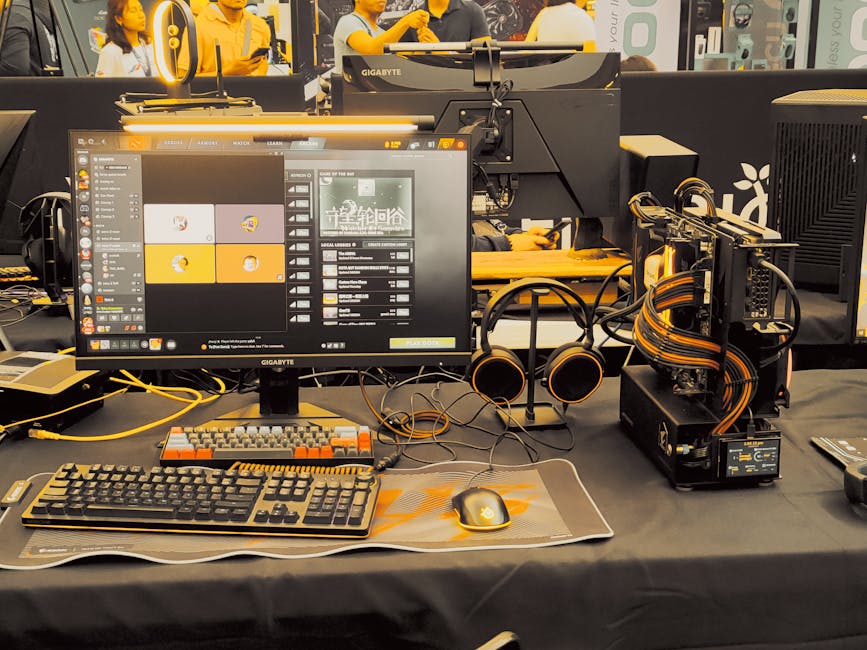
Overview of PC Gaming
PC gaming has evolved into a dominant force in the American gaming market, offering unparalleled performance and customization options. The flexibility to upgrade components, access to thousands of games, and superior graphics capabilities make **PC gaming** the preferred choice for serious gamers. Modern gaming PCs can deliver frame rates exceeding 144 FPS at 4K resolution with the right hardware configuration.
The current PC gaming landscape features cutting-edge components like RTX 4090 graphics cards, Intel 13th-gen processors, and DDR5 memory modules. These advances enable gamers to experience titles with ray tracing, DLSS technology, and ultra-high refresh rates. **High-performance gaming PCs** typically require careful component selection to achieve optimal price-to-performance ratios.
Choosing the right PC components directly impacts gaming performance, system longevity, and overall user experience. A well-balanced system prevents bottlenecks and ensures smooth gameplay across demanding AAA titles. Understanding component compatibility and performance metrics helps gamers make informed purchasing decisions.
Core Mechanics and Features
PC gaming hardware operates on several key principles that determine overall system performance. The **CPU (processor)** handles game logic, physics calculations, and system operations, while the **GPU (graphics card)** renders visual elements and effects. Memory (RAM) provides temporary storage for active game data, and storage drives affect loading times and game installation capacity.
Cooling systems play a crucial role in maintaining optimal PC gaming performance by preventing thermal throttling. **Air cooling** uses fans and heat sinks to dissipate heat, while **liquid cooling** systems offer superior thermal management for high-end components. Proper cooling ensures components operate within safe temperature ranges and maintain peak performance during extended gaming sessions.
Modern gaming PCs feature multiple cooling zones, including CPU coolers, case fans, and GPU thermal solutions. Advanced cooling configurations may include custom liquid loops with radiators, pumps, and reservoirs. **Temperature monitoring** software helps gamers track component temperatures and adjust fan curves for optimal noise-to-performance ratios.
Tips for Building or Buying a High-Performance Gaming PC
Building a custom gaming PC offers greater control over component selection and potential cost savings compared to pre-built systems. Research current hardware reviews and benchmarks to identify components that match your gaming requirements and budget constraints. **Component compatibility** checking prevents costly mistakes and ensures all parts work together seamlessly.
Pre-built gaming PCs provide convenience and warranty coverage but often include compromises in component selection or pricing. Major manufacturers like NZXT, Origin PC, and iBUYPOWER offer configured systems with support and testing. Consider **upgrade paths** when selecting pre-built systems to ensure future component improvements remain possible.
Reliable retailers for PC gaming components include Newegg, Amazon, Micro Center, and B&H Photo. Compare prices across multiple vendors and watch for seasonal sales events like Black Friday and Cyber Monday. **Component warranties** vary by manufacturer, with graphics cards typically offering 2-3 year coverage and CPUs providing longer warranty periods.
| Component Type | Budget Range | Mid-Range | High-End |
|---|---|---|---|
| CPU | $150-250 | $300-450 | $500-800 |
| GPU | $200-350 | $400-700 | $800-1600 |
| RAM | $60-100 | $120-200 | $250-400 |
| Storage | $50-100 | $150-300 | $400-800 |
Common Issues and How to Solve Them
Overheating represents one of the most frequent PC gaming problems, causing performance drops, system crashes, and potential hardware damage. Monitor CPU and GPU temperatures using software like HWiNFO64 or MSI Afterburner during gaming sessions. **Thermal throttling** occurs when components automatically reduce performance to prevent overheating damage.
Software conflicts can cause game crashes, driver errors, and system instability issues. Keep graphics drivers updated through manufacturer websites (NVIDIA GeForce Experience or AMD Adrenalin). **Clean driver installations** using DDU (Display Driver Uninstaller) resolve persistent graphics problems and compatibility issues.
Power supply problems manifest as random shutdowns, system instability, or failure to boot under load. Calculate total system power consumption and ensure your PSU provides adequate wattage with efficiency ratings of 80+ Gold or better. **Power delivery issues** often result from insufficient wattage or aging capacitors in older power supplies.
Performance Optimization Techniques
System optimization begins with proper Windows configuration and background process management. Disable unnecessary startup programs, enable Game Mode, and configure Windows Update to avoid interruptions during gaming sessions. **Performance monitoring** tools help identify system bottlenecks and resource usage patterns.
Graphics settings optimization balances visual quality with frame rate performance based on your display capabilities. Adjust texture quality, shadow resolution, and anti-aliasing settings to achieve target frame rates. **NVIDIA DLSS** and **AMD FSR** technologies provide performance boosts while maintaining visual fidelity in supported games.
Regular maintenance includes cleaning dust from components, updating drivers and firmware, and monitoring storage space availability. Defragment traditional hard drives monthly and maintain at least 15% free space on SSDs for optimal performance. **Overclocking** can provide additional performance but requires careful temperature monitoring and stability testing.
Takeaways for Enthusiast Gamers
Successful PC gaming requires ongoing attention to hardware trends, software updates, and performance optimization techniques. **Future-proofing** strategies include selecting components with upgrade potential and adequate power supply capacity for future additions. Research emerging technologies like PCIe 5.0, DDR5 memory, and next-generation graphics architectures.
Staying current with gaming technology involves following hardware review sites, manufacturer announcements, and community forums for optimization tips. **Performance benchmarking** helps establish baseline measurements and track improvement results from upgrades or optimizations. Consider joining PC gaming communities for troubleshooting support and build advice.
Maximizing your PC gaming investment requires balancing performance requirements with budget constraints and future upgrade possibilities. Document your system configuration, warranty information, and performance baselines for future reference. **Regular backups** protect game saves and system configurations from hardware failures or software corruption.
Frequently Asked Questions
What are the most important components for a high-performance gaming PC?
The GPU (graphics card) has the greatest impact on gaming performance, followed by the CPU for game logic and physics. Adequate RAM (16-32GB DDR4/DDR5) and fast storage (NVMe SSD) ensure smooth gameplay and quick loading times.
How can I ensure my PC gaming hardware is running at optimal performance?
Monitor component temperatures, keep drivers updated, and perform regular system maintenance including dust cleaning and software optimization. Use benchmarking tools to establish performance baselines and identify potential issues before they affect gaming experience.
What are some common mistakes made by novice PC gamers when building or buying a gaming PC?
Skimping on the power supply, choosing incompatible components, or creating system bottlenecks by pairing high-end GPUs with budget CPUs. Inadequate cooling solutions and failing to research component compatibility can lead to performance issues and hardware problems.
Explore more pc guides on our site.
Top Product Recommendations
| Product Name | Rating | Key Feature | Est. Price | Action |
|---|---|---|---|---|
| Top-rated gaming graphics card RTX 4090 | ★★★★★ | Editor-recommended gaming graphics card RTX 4090 from this guide | $18–$42 | Check Lowest Price on Amazon |
| Best-value high performance CPU cooler | ★★★★☆ | Affordable high performance CPU cooler — strong everyday results | $12–$28 | Check Lowest Price on Amazon |
| Premium gaming PC power supply 850W | ★★★★☆ | Higher-end gaming PC power supply 850W for visible, lasting results | $45–$95 | Check Lowest Price on Amazon |
Affiliate Disclosure: This post contains affiliate links. We may earn a commission if you buy through our links, at no extra cost to you.
Leave a Reply