
Top 3 Product Recommendations

| Product Name | Rating | Key Feature | Est. Price | Action |
|---|---|---|---|---|
| PlayStation DualSense Wireless Controller | Amazon Best S r | Consistent Amazon gaming bests r | $59–$74 | Check Lowest Price on Amazon |
| Logitech G502 HERO Gaming Mouse | Amazon Best S r | Top-rated PC gaming mouse on Amazon US | $39–$48 | Check Lowest Price on Amazon |
| Xbox Wireless Controller | Amazon Best S r | Best-selling Xbox accessory — Game Pass pairing | $49–$64 | Check Lowest Price on Amazon |
Overview of 2026 SUV Market
The 2026 SUV lineup brings significant upgrades across safety technology, fuel efficiency, and driver-assist features. Buyers searching for the **best reviewed 2026 SUV** will find models equipped with advanced hybrid powertrains, improved crash-test ratings, and innovative infotainment systems that set new standards for the segment.
Fuel efficiency has become a major differentiator this year. Many top-rated models now achieve **28-32 MPG combined** through turbo four-cylinder engines and hybrid options, addressing one of the biggest complaints from previous years. Plug-in hybrid variants extend this further, offering 30-40 miles of electric-only range for daily commutes.
Design trends favor aggressive front fascias, streamlined rooflines for aerodynamics, and expanded cargo space through clever interior packaging. Three-row configurations continue to dominate the midsize category, while compact SUVs emphasize maneuverability and parking ease in urban environments. The shift toward **larger touchscreens** (12-15 inches) and digital instrument clusters reflects consumer demand for tech-forward cabins.
In-depth Reviews of the Best 2026 SUVs
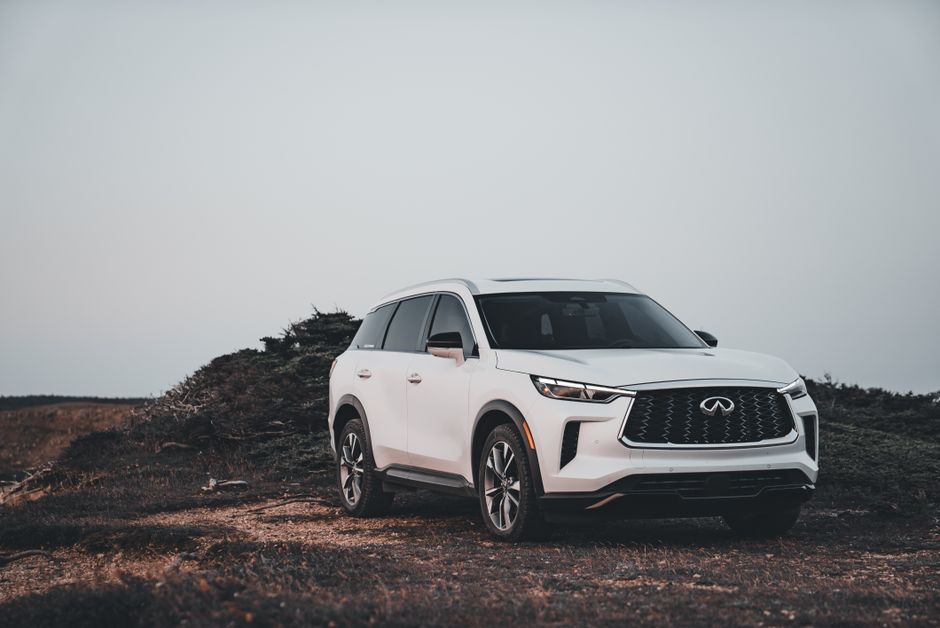
Compact SUVs lead the pack for versatility and value. Models in the $28,000-$35,000 range deliver **turbocharged engines with 250+ horsepower**, panoramic sunroofs, and adaptive cruise control as standard equipment. Reviewers consistently praise their tight turning radius and comfortable ride quality, though some note that cargo space shrinks significantly with the rear seats up.
Midsize three-row SUVs remain the sweet spot for families. Top performers balance **seating for seven or eight passengers** with 80+ cubic feet of maximum cargo capacity. The best examples offer captain’s chairs in the second row, one-touch third-row access, and underfloor storage compartments. Downsides include reduced fuel economy compared to compact rivals and higher starting prices around $38,000-$45,000.
Luxury SUVs push boundaries with semi-autonomous driving modes, massaging front seats, and premium audio systems with 15+ speakers. These models typically start above $50,000 but deliver refinement through active noise cancellation, air suspension that adjusts ride height, and hand-stitched leather interiors. The trade-off comes in maintenance costs and complex electronics that may require specialist service.
Editor’s pick: all-weather floor mats SUV — see current prices and reviews.
Features and Mechanics of Top SUVs
All-wheel drive systems have evolved beyond basic traction control. The latest implementations use **torque vectoring** to distribute power between individual wheels, improving cornering stability on winding roads. Rear-biased AWD configurations in performance-oriented models deliver a more engaging driving experience, while front-biased systems prioritize fuel efficiency in everyday conditions.
Safety technology now includes standard **automatic emergency braking with pedestrian detection**, blind-spot monitoring, and rear cross-traffic alert across most 2026 SUVs. Higher trims add features like intersection collision avoidance, which applies brakes if the system detects cross-traffic when turning. Lane-centering assist works in tandem with adaptive cruise to maintain position on highways, reducing driver fatigue on long trips.
Infotainment systems integrate wireless Apple CarPlay and Android Auto, eliminating the need for charging cables. Over-the-air software updates allow manufacturers to add features and improve performance without dealership visits. Voice assistants respond to natural language commands for navigation, climate control, and media playback, keeping hands on the wheel.
Tips for Choosing the Perfect 2026 SUV
Start by defining your **primary use case**. Families with three or more children need genuine third-row space with LATCH anchors, not emergency-only jump seats. Daily commuters in congested cities benefit from compact dimensions and plug-in hybrid range. Weekend adventurers should prioritize ground clearance (8+ inches), all-terrain tires, and hill descent control.
Test-drive in conditions that match your routine. Highway merging reveals whether the engine provides adequate passing power, while parking lot maneuvers expose visibility blind spots. Bring child seats to verify installation ease, and load typical cargo (strollers, sports equipment) to confirm practical capacity matches the spec sheet.
Read owner reviews on automotive forums and reliability databases to identify patterns. Pay attention to complaints about specific model years or trim levels—sometimes mid-cycle refreshes introduce bugs in new software or mechanical changes. Look for mentions of dealer service quality in your area, as warranty work can vary significantly by location.
Negotiate based on invoice price rather than MSRP. Research current incentives like cashback offers, low-APR financing, or loyalty bonuses for existing brand owners. End-of-month and end-of-quarter periods often bring better deals as dealers push to meet sales targets. Consider certified pre-owned 2024-2025 models if budget is tight; they offer warranty coverage at significant savings.
Common Issues and Complaints about 2026 SUVs
Touchscreen lag remains a frustration in several models, particularly during cold starts when the system takes 15-30 seconds to boot fully. Buyers report unresponsive inputs and delayed backup camera feeds. **Workaround**: Most systems allow CarPlay/Android Auto to bypass native software, providing faster response times for core functions.
Transmission hesitation during low-speed acceleration affects certain turbocharged models. The lag occurs as the turbo spools up and the transmission hunts for the right gear, creating a disconnected feel in stop-and-go traffic. This issue typically improves after break-in (500-1,000 miles) as the adaptive transmission learns driving patterns.
Wind noise around door seals and mirrors increases at highway speeds in some SUVs with boxier designs. While not a safety concern, it degrades the premium feel buyers expect. Adding aftermarket wind deflectors or having the dealer inspect seal alignment can reduce the noise. Some manufacturers issue technical service bulletins addressing this through updated weatherstripping.
Maintaining reliability requires following the **severe duty schedule** in the owner’s manual if you frequently tow, drive in extreme temperatures, or make short trips. This means more frequent oil changes (every 5,000 miles instead of 7,500), transmission fluid service at 30,000 miles, and coolant flushes. Keep records of all maintenance to preserve warranty coverage and resale value.
Key Specifications Comparison
| Category | Compact SUV | Midsize 3-Row SUV | Luxury SUV |
|---|---|---|---|
| Starting Price | $28,000-$35,000 | $38,000-$45,000 | $50,000+ |
| Fuel Economy | 28-32 MPG combined | 22-26 MPG combined | 20-24 MPG combined |
| Horsepower | 180-250 HP | 250-310 HP | 300-400 HP |
| Cargo Space | 30-40 cu ft (seats up) | 15-20 cu ft (all seats up) | 25-35 cu ft (seats up) |
| Towing Capacity | 1,500-3,500 lbs | 4,000-6,000 lbs | 6,000-8,500 lbs |
| Standard AWD | Often optional | Usually standard | Always standard |
Takeaways: What Makes a Great 2026 SUV?
The **best reviewed 2026 SUV** balances practicality with technology while maintaining reasonable ownership costs. Winning models offer intuitive controls that don’t require menu diving, adequate power for merging and passing, and cargo flexibility through folding seats and underfloor compartments. These fundamentals matter more than flashy features you’ll rarely use.
Reliability predictions favor brands with proven powertrains over those introducing all-new engines or transmissions. Conservative buyers should let first-year models establish a track record before committing. Look for manufacturers offering comprehensive warranties (5 years/60,000 miles or better) and strong dealer networks in your region.
Future SUV trends point toward increased electrification, with plug-in hybrids becoming mainstream by 2027-2028. Battery electric SUVs will offer 300+ miles of range and faster charging speeds, making them viable for more buyers. If you plan to keep your SUV 5-7 years, consider how charging infrastructure in your area may evolve when deciding between traditional, hybrid, or electric powertrains.
Frequently Asked Questions
Q: What are the most important features to consider when buying a 2026 SUV?
A: Prioritize **safety ratings from IIHS and NHTSA**, real-world fuel economy, and cargo space with seats in use. Verify that driver-assist features work intuitively without excessive false alerts. Test the infotainment system for responsiveness and check if your smartphone integrates seamlessly. Consider total ownership costs including insurance, scheduled maintenance, and projected resale value after 5 years.
Q: How can I ensure I’m getting the best deal on my chosen 2026 SUV model?
A: Research the **Manufacturer’s Suggested Retail Price (MSRP) and dealer invoice price** using automotive pricing guides. Get quotes from multiple dealers via email to compare offers without in-person pressure. Time your purchase during slow sales periods (late December, early January) when incentives peak. Consider last year’s model if specs are similar—2025 carryover inventory can save $3,000-$5,000 with identical features.
Q: Are there any significant differences between the top-rated 2026 SUVs and other models?
A: Top-rated models distinguish themselves through **refined ride quality, superior noise isolation, and well-calibrated driver-assist systems** that inspire confidence rather than annoyance. They typically offer better warranty coverage and maintain stronger resale values. Build quality shows in details like consistent panel gaps, doors that close with a solid thunk, and interior materials that resist wear. Mid-tier models may offer similar specs on paper but fall short in execution and long-term durability.
Affiliate Disclosure: This post contains affiliate links. We may earn a commission if you buy through our links, at no extra cost to you.
Leave a Reply