Top 3 Product Recommendations
| Product Name | Rating | Key Feature | Est. Price | Action |
|---|---|---|---|---|
| PlayStation DualSense Wireless Controller | Amazon Best S r | Consistent Amazon gaming bests r | $59–$74 | Check Lowest Price on Amazon |
| Logitech G502 HERO Gaming Mouse | Amazon Best S r | Top-rated PC gaming mouse on Amazon US | $39–$48 | Check Lowest Price on Amazon |
| Xbox Wireless Controller | Amazon Best S r | Best-selling Xbox accessory — Game Pass pairing | $49–$64 | Check Lowest Price on Amazon |
Overview of 2026 SUV Market
The 2026 SUV market represents a significant leap forward in automotive technology and design. Manufacturers have prioritized **electrification**, **advanced driver assistance systems**, and **improved fuel economy** across nearly every segment. Consumer reviews highlight these innovations as game-changers for families and enthusiasts alike.
Key differences between 2026 and 2025 models include wider adoption of **hybrid powertrains**, enhanced connectivity features, and redesigned interiors focused on passenger comfort. Many 2026 SUVs now offer **over-the-air software updates** and integrated smartphone functionality as standard equipment. These updates address previous-year complaints about outdated infotainment systems.
Reading reviews before purchasing helps buyers identify real-world performance issues that manufacturer specs don’t reveal. Owner feedback on long-term reliability, actual fuel consumption, and cargo space usability provides critical context. This research prevents costly mistakes and ensures your investment matches your lifestyle needs.
Top-Performing 2026 SUV Models

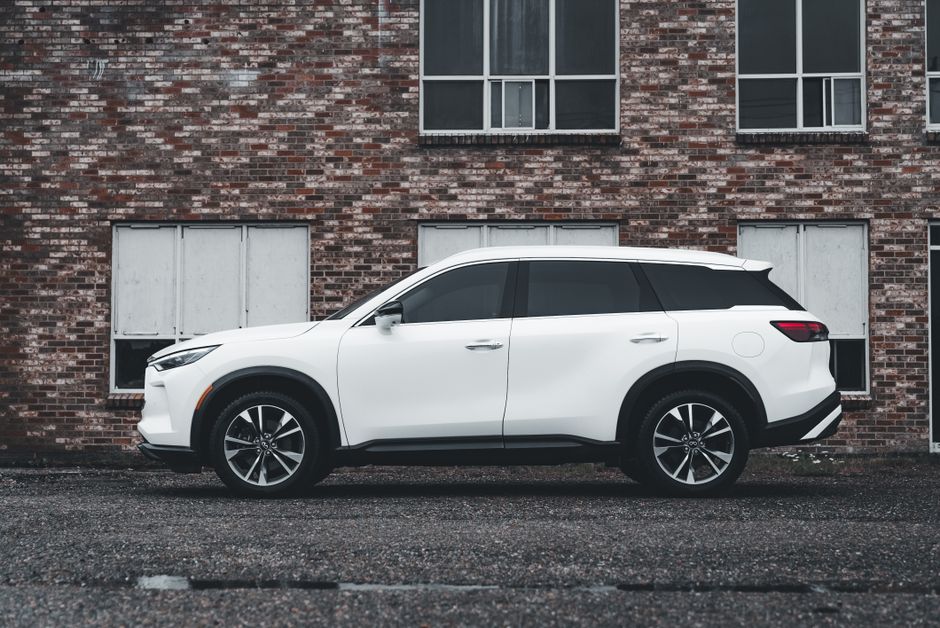
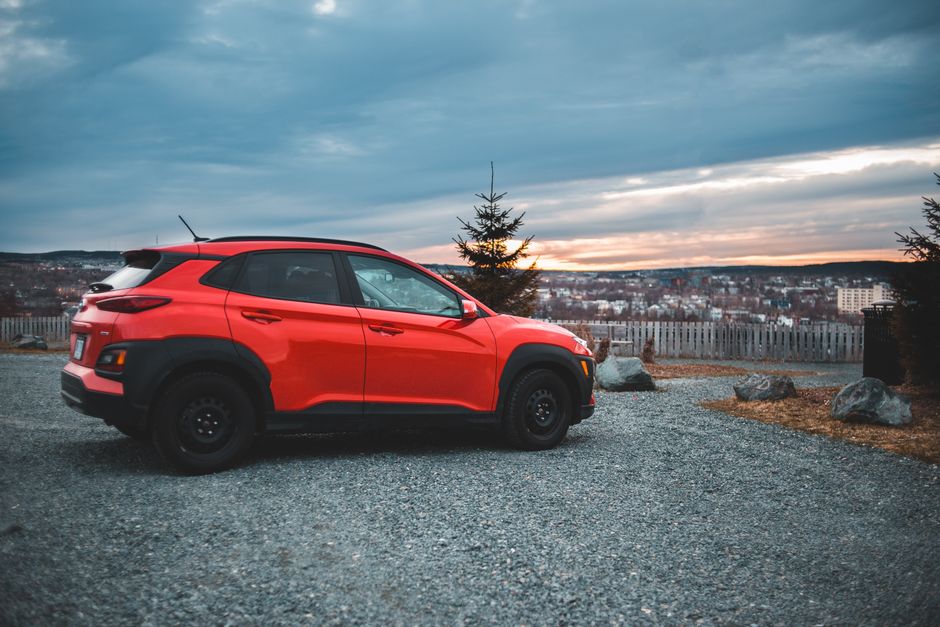
Compact crossover SUVs dominate positive reviews in 2026, with buyers praising their balance of efficiency and practicality. These vehicles typically offer **25-35 MPG combined**, seating for five, and cargo volumes between 30-40 cubic feet. Urban drivers appreciate their maneuverability and parking ease compared to full-size alternatives.
Mid-size three-row SUVs earn high marks for family versatility and road trip capability. Reviewers consistently note improved **third-row legroom** and **climate control zones** as standout features. Models in this category deliver 300-400 horsepower with towing capacities reaching 5,000-7,000 pounds when properly equipped.
Luxury performance SUVs receive praise for combining **zero-to-sixty times under six seconds** with premium materials and cutting-edge safety tech. These vehicles feature adaptive suspension systems, massaging seats, and panoramic glass roofs. Price points range from $55,000 to $85,000, targeting buyers who prioritize refinement and driving dynamics.
| Category | Seating | Cargo Space | Fuel Economy | Towing Capacity |
|---|---|---|---|---|
| Compact Crossover | 5 | 30-40 cu ft | 25-35 MPG | 1,500-3,500 lbs |
| Mid-Size Three-Row | 7-8 | 85-120 cu ft | 20-28 MPG | 5,000-7,000 lbs |
| Luxury Performance | 5-7 | 25-70 cu ft | 18-30 MPG | 3,500-6,000 lbs |
Editor’s pick: SUV cargo organizer — see current prices and reviews.
Factors to Consider When Buying a 2026 SUV
Performance and handling vary dramatically across SUV segments in 2026. **Turbocharged four-cylinder engines** provide adequate power for most compact models, while V6 and hybrid options suit heavier three-row vehicles. Test drives reveal suspension tuning differences—sporty setups feel firm on rough roads, while comfort-oriented suspensions reduce driver feedback.
Fuel efficiency improvements stem from widespread **mild-hybrid technology** and **cylinder deactivation systems**. Real-world owner reports show 2-4 MPG improvements over EPA estimates when using eco driving modes consistently. Plug-in hybrid variants offer 25-40 miles of electric-only range, ideal for daily commutes under 50 miles.
Safety features now include **automatic emergency braking**, **blind-spot monitoring**, and **lane-keeping assist** as standard across most 2026 models. Premium packages add **360-degree cameras**, **adaptive cruise control**, and **rear cross-traffic alert**. Reliability data shows vehicles with fewer electronic features experience lower first-year complaint rates.
Reviewing the Reviews: What to Look for in 2026 SUV Reviews
Credible review sources include long-term owner surveys, professional automotive journalists, and verified buyer testimonials on manufacturer websites. **Consumer Reports** and **J.D. Power** provide statistical reliability ratings based on thousands of responses. Individual YouTube reviews offer real-world usage scenarios but may reflect personal bias.
Understanding review scores requires examining **specific criteria weights**—some publications prioritize performance over practicality, while others emphasize value and ownership costs. A vehicle rated 8/10 for driving dynamics might score 6/10 for cargo flexibility. Compare multiple sources to identify consistent strengths and weaknesses.
Balancing positive and negative feedback reveals whether complaints represent isolated incidents or widespread problems. Recurring mentions of **transmission hesitation** or **infotainment glitches** signal genuine concerns. Conversely, praise for build quality and customer service across dozens of reviews indicates strong manufacturer support.
Making an Informed Decision: Tips for Buying the Best 2026 SUV
Setting a realistic budget includes monthly payment calculations, insurance premiums, and fuel costs over five years. **Compact SUVs** typically cost $30,000-$45,000, while **mid-size models** range from $40,000-$60,000. Factor in $1,200-$2,000 annually for maintenance and $150-$250 monthly for comprehensive insurance coverage.
Test driving at least three competing models reveals personal preference factors that specs cannot capture. Schedule **30-minute drives** including highway merging, tight parking maneuvers, and passenger comfort evaluations. Bring family members to assess rear-seat space and cargo loading convenience with everyday items.
Negotiating involves researching **invoice prices**, available manufacturer incentives, and regional supply levels. End-of-model-year timing yields $2,000-$5,000 discounts as dealers clear inventory. Extended warranties and dealer-installed accessories often carry 50-80% markup—decline pressure tactics and research third-party alternatives.
Common Issues and Complaints About 2026 SUV Models
Infotainment system lag and connectivity problems top complaint lists for 2026 SUVs across multiple brands. Owners report **3-5 second delays** when switching screens or pairing smartphones. Software updates often resolve these issues, but initial experiences frustrate tech-savvy buyers expecting seamless integration.
Transmission tuning issues affect certain turbocharged models, with reviewers noting **hesitation during acceleration** or harsh downshifts. Manufacturers typically address these concerns through **ECU reprogramming** during routine service visits. Test drives on varied terrain help identify whether specific powertrain combinations exhibit these behaviors.
Paint quality and interior trim rattles emerge as common early-ownership complaints. Buyers notice **door panel squeaks** and **dashboard vibrations** after 3,000-5,000 miles. Warranty coverage handles most repairs, but persistent issues suggest manufacturing quality control gaps worth considering during model selection.
- **Check recall databases** before purchasing any specific VIN
- **Document all issues** during warranty period for service records
- **Join owner forums** to track common problems and solutions
- **Request extended test drives** to identify potential concerns
Final Thoughts and Takeaways
Choosing the best-reviewed 2026 SUV requires balancing personal priorities against expert analysis and owner experiences. **Fuel economy**, **cargo space**, and **safety ratings** consistently rank as top decision factors. Your daily driving patterns and passenger needs should guide segment selection more than brand loyalty.
Thorough research prevents buyer’s remorse and ensures your investment delivers long-term satisfaction. Spending 10-15 hours reviewing professional tests, owner feedback, and reliability data saves thousands in potential depreciation losses. The right SUV serves your family reliably for 8-10 years when chosen carefully.
Making the best decision means acknowledging trade-offs—no single vehicle excels in every category. Compact models sacrifice space for efficiency, while luxury variants demand higher maintenance costs. Prioritize your top three must-have features and accept reasonable compromises on secondary considerations.
Frequently Asked Questions
What are the most important factors to consider when buying a 2026 SUV?
Prioritize **total ownership costs** including fuel, insurance, and maintenance over five years rather than just purchase price. Safety ratings from IIHS and NHTSA provide objective crash protection data. Cargo capacity and third-row usability matter significantly for families, while single drivers benefit from focusing on fuel economy and driving dynamics.
How can I ensure that I am reading credible and trustworthy reviews?
Look for reviews from **established automotive publications** with transparent testing methodologies and no manufacturer sponsorships. Verify reviewer credentials and check whether they disclose long-term vehicle loans or purchase arrangements. Cross-reference professional opinions with statistically significant owner surveys from independent consumer organizations.
What are some common issues and complaints about 2026 SUV models?
Infotainment system lag, transmission hesitation, and minor interior quality issues represent the most frequent complaints across 2026 SUV models. Paint imperfections and trim rattles also appear in early ownership reports. Most manufacturers address these concerns through software updates and warranty repairs, but persistent problems may indicate deeper quality control challenges worth avoiding.
Affiliate Disclosure: This post contains affiliate links. We may earn a commission if you buy through our links, at no extra cost to you.
Leave a Reply