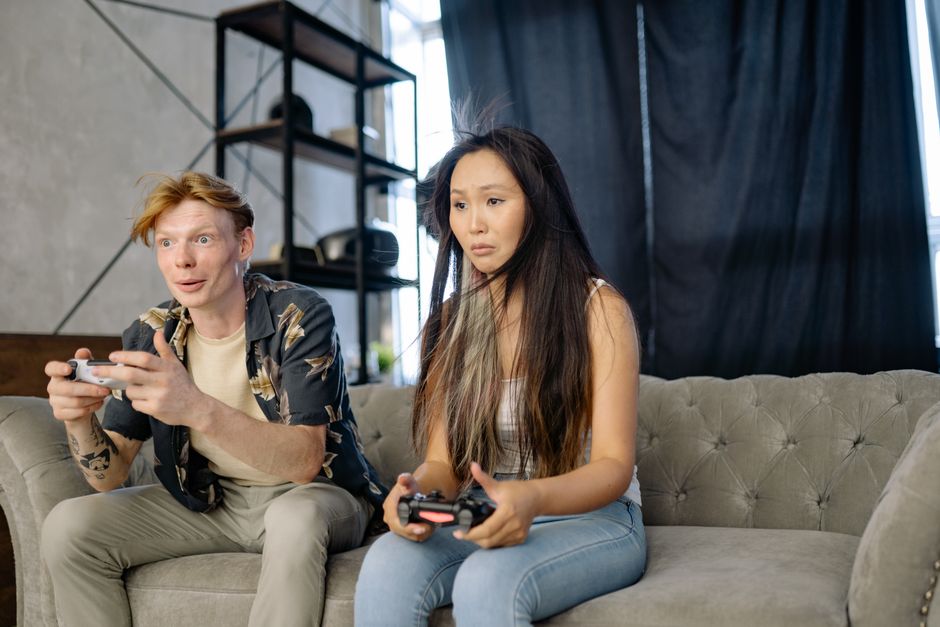
Why Co-op PC Gaming Is Perfect for Couples in 2026

Finding the **best co-op PC games for couples in 2026** has never been easier — or more exciting. The current library of cooperative titles spans every genre, skill level, and play style imaginable. Whether you and your partner are both seasoned gamers or one of you is just picking up a controller for the first time, there’s a co-op experience designed for exactly your dynamic.
Co-op gaming gives couples a shared goal, a reason to communicate, and a low-stakes way to spend quality time together. The satisfaction of solving a puzzle side by side or finally beating a tough boss after a dozen tries is genuinely bonding. This guide breaks down the top titles, setup tips, and strategies to make every session count.
Quick pick: Compare top-rated Gameplay options.
The Evolution of Co-op Gaming for Couples
Co-op gaming has come a long way from the days of split-screen platformers on a single CRT television. **Online infrastructure**, voice chat, and cloud saves have transformed the experience entirely. Couples no longer need to be in the same room — or even the same time zone — to play together seamlessly.
One of the biggest shifts in recent years is the rise of **cross-platform play**. Titles now routinely support PC-to-console connections, meaning one partner on a gaming PC and another on a console can share the same session without friction. This flexibility has opened co-op gaming to a much wider audience of couples with mixed hardware setups.
Technology improvements have also raised the ceiling on co-op complexity. Games now feature **asymmetric roles**, where each player has unique abilities that complement the other, creating deeper interdependence. That design philosophy has made cooperative gameplay feel more intentional and rewarding than ever before.
Top 10 Co-op PC Games for Couples in 2026
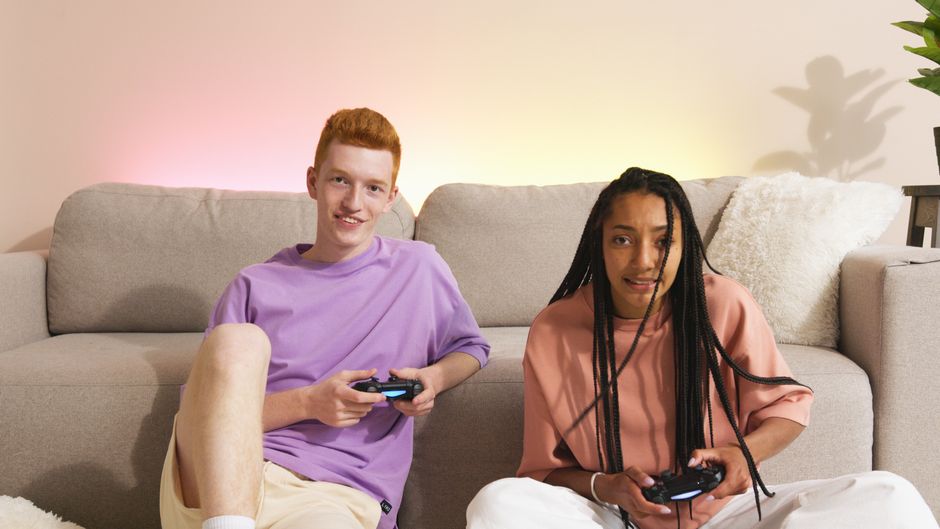
The 2026 library is stacked with exc nt co-op options. Here are ten titles that stand out for couples specifically, covering a range of genres and difficulty levels.
- **It Takes Two** — A narrative-driven platformer built entirely around cooperation. Every mechanic in the game requires both players to work together, making it arguably the most purpose-built couples game ever released.
- **Stardew Valley** (multiplayer mode) — Farm together, mine together, and build a shared world at your own pace. Incredibly relaxing and great for couples who prefer low-pressure sessions.
- **Overcooked! 2** — A chaotic cooking game that tests communication under pressure. Hilarious and frustrating in equal measure.
- **A Way Out** — A cinematic co-op adventure that tells a gripping story only playable with a partner. One purchase covers both players.
- **Minecraft** — Essentially limitless in scope, perfect for creative couples who enjoy building and exploring together.
- **Deep Rock Galactic** — A cooperative shooter where four dwarves mine alien planets. Extremely beginner-friendly and endlessly replayable.
- **Portal 2** (co-op mode) — Puzzle perfection. Solving spatial challenges together is intensely satisfying and mentally engaging.
- **Valheim** — A Viking survival game with gorgeous environments and deep crafting systems. Great for couples who enjoy long-session exploration.
- **Divinity: Original Sin 2** — A deep RPG with full co-op support. Ideal for couples who love storytelling and tactical decision-making.
- **Halo: The Master Chief Collection** — Classic campaign co-op with years of content. Approachable for newcomers and nostalgic for veterans.
Quick Comparison: Top Picks by Play Style
| Game | Genre | Difficulty | Best For |
|---|---|---|---|
| It Takes Two | Platformer/Puzzle | Easy–Medium | Story-focused couples |
| Overcooked! 2 | Party/Casual | Medium | High-energy fun |
| Portal 2 | Puzzle | Medium | Problem-solvers |
| Divinity: Original Sin 2 | RPG | Hard | Strategy lovers |
| Stardew Valley | Simulation | Easy | Relaxed, long sessions |
| Deep Rock Galactic | Shooter | Easy–Medium | Action with teamwork |
| Valheim | Survival | Medium | Exploration fans |
Essential Tips for the Best Co-op Experience
Choosing the right game is step one, but the setup around it matters just as much. Start by **aligning on genre preferences** before installing anything — a mismatch here leads to one player feeling bored or overwhelmed. Talk openly about what kind of experience sounds fun: competitive, story-driven, creative, or action-focused.
Your physical gaming setup shapes the experience significantly. If you’re playing in the same room, consider **dual monitors or a large TV output** so neither player is craning to see. Good headsets with clear audio keep communication smooth during online sessions. Comfort matters too — long co-op sessions go better when both players have proper seating and aren’t fighting for desk space.
Communication is the single most underrated mechanic in co-op gaming. **Calling out what you’re doing**, asking before making big decisions, and checking in when one player is struggling all contribute to a much smoother session. Treat it like any other collaborative activity: the more clearly you express yourself, the better the outcome.
Setup Checklist for Couples Co-op
- Agree on a game before you sit down — avoid decision fatigue mid-session
- Test voice chat or proximity audio settings before starting
- Set a loose time limit so neither player feels pressured or neglected
- Keep a backup “comfort” game ready for when the main pick gets frustrating
- Adjust difficulty settings freely — there’s no shame in dropping it down
Common Challenges and How to Overcome Them
Even the most compatible couples hit friction in co-op games. The most common source of tension is **mismatched skill levels**. One player racing ahead while the other struggles creates frustration on both sides. The fix is simple: slow down deliberately, choose games with scaling difficulty, and celebrate small wins together rather than optimizing for speed.
Team strategy disagreements are another friction point. In games like **Divinity: Original Sin 2** or **Valheim**, decisions about resource allocation or build choices can genuinely conflict. The healthiest approach is to treat these moments like collaborative decisions rather than debates to win. Taking turns leading the strategy can also distribute ownership more evenly.
Finally, **fatigue management** is real. Co-op sessions that drag past both players’ energy levels often end on a sour note. Agree on session lengths in advance and respect them. Ending on a positive moment — even if a goal isn’t fully met — keeps both players eager to return.
Conflict Resolution Tips During Co-op Sessions
- Pause the game when a real disagreement surfaces — don’t try to resolve it mid-combat
- Use in-game ping or marker systems to communicate intentions without voice
- Rotate who makes the “final call” on strategy decisions per session
- Celebrate effort, not just success — acknowledge when a partner did something well
The Real Benefits of Co-op Gaming for Couples
Beyond the entertainment value, co-op gaming actively builds relationship skills. **Teamwork**, patience, and clear communication are all exercised during a typical co-op session — the same skills that matter in everyday partnership dynamics. Research into cooperative play consistently shows that shared challenge increases feelings of closeness and mutual appreciation.
Creating a consistent gaming ritual together also adds a reliable source of **shared joy** to a relationship. Whether it’s a weekly Friday night Minecraft session or a dedicated playthrough of a narrative game, these rituals become part of a couple’s shared identity. The memories built around gaming — the boss you finally defeated, the base you built from nothing — become genuine talking points and inside jokes.
For couples where one person is newer to gaming, co-op titles are one of the most **welcoming entry points** into the hobby. Games like Stardew Valley and It Takes Two are designed to be accessible, reducing the intimidation factor significantly. That inclusivity makes co-op gaming a genuinely valuable shared interest rather than a one-sided hobby.
Top Benefits at a Glance
- Strengthens communication habits that transfer to real life
- Creates a private shared experience unique to that couple
- Builds patience and collaborative problem-solving
- Provides consistent, low-cost quality time
- Bridges skill gaps through cooperative rather than competitive design
Choosing the Right Co-op Game for Your Relationship Dynamic
Not every co-op game fits every couple. The key variable is **compatibility of play styles**, not just genre preference. A highly competitive person paired with someone who plays purely for relaxation can struggle with games that involve scoring or ranking. In those cases, choose titles with purely cooperative win conditions and no in-game metrics that pit players against each other.
Consider **session length preferences** too. Some couples have 90-minute windows together; others have full weekend afternoons. Long-form RPGs like Divinity: Original Sin 2 reward extended sessions, while Overcooked! 2 works in 30-minute bursts. Matching the game to your available time prevents the frustration of stopping mid-mission or feeling rushed.
Finally, pay attention to **emotional tone**. Some couples want laughs — Overcooked! delivers those. Others want to be genuinely moved by a story — It Takes Two and A Way Out both accomplish that. Matching the emotional register of a game to what both partners need in that season of life makes a significant difference in how memorable the experience becomes.
Frequently Asked Questions (FAQ)
Q: What are good co-op games for couples with different skill levels?
A: Games with flexible difficulty or passive assistance mechanics work best for mixed-skill couples. **It Takes Two**, **Stardew Valley**, and **Deep Rock Galactic** all handle skill gaps well because they emphasize cooperation over performance metrics. Dropping the difficulty setting is always a valid option — there’s no wrong way to enjoy a game together.
Q: How can couples balance cooperation and competition in co-op games?
A: Choose games where the win condition is **shared rather than individual**. If one partner is more competitive by nature, channel that energy toward external challenges — beating a dungeon boss, hitting a score threshold — rather than internal comparisons. Framing every session as “us vs. the game” rather than “me vs. you” fundamentally changes the dynamic.
Q: What are the best ways to communicate during co-op gaming sessions?
A: Use a combination of **voice chat, in-game ping systems, and brief check-ins** between missions or levels. Keep communication positive and specific — “I need backup at the north entrance” works better than vague frustration. Short sessions with clear goals also reduce the communication load and make coordination feel natural rather than stressful.
Top Product Recommendations
| Product Name | Rating | Key Feature | Est. Price | Action |
|---|---|---|---|---|
| Top-rated co-op PC gaming headset for couples | ★★★★★ | Editor-recommended co-op PC gaming headset for couples from this guide | $18–$42 | Check Lowest Price on Amazon |
| Best-value gaming chair two player setup | ★★★★☆ | Affordable gaming chair two player setup — strong everyday results | $12–$28 | Check Lowest Price on Amazon |
| Premium PC game controller couples bundle | ★★★★☆ | Higher-end PC game controller couples bundle for visible, lasting results | $45–$95 | Check Lowest Price on Amazon |
Affiliate Disclosure: This post contains affiliate links. We may earn a commission if you buy through our links, at no extra cost to you.
Leave a Reply