Executive Summary: The Shift to Algorithmic Power
The era of solving performance bottlenecks through raw transistor counts is over. In 2026, we have reached a thermal and power-draw ceiling where “more power” yields diminishing returns. The industry has pivoted from hardware brute force to Algorithmically Managed Performance. If your current deployment relies on native resolution and standard clock speeds, you are operating on an obsolete stack.
1. Handheld Proliferation: Local NPU vs. Cloud Friction
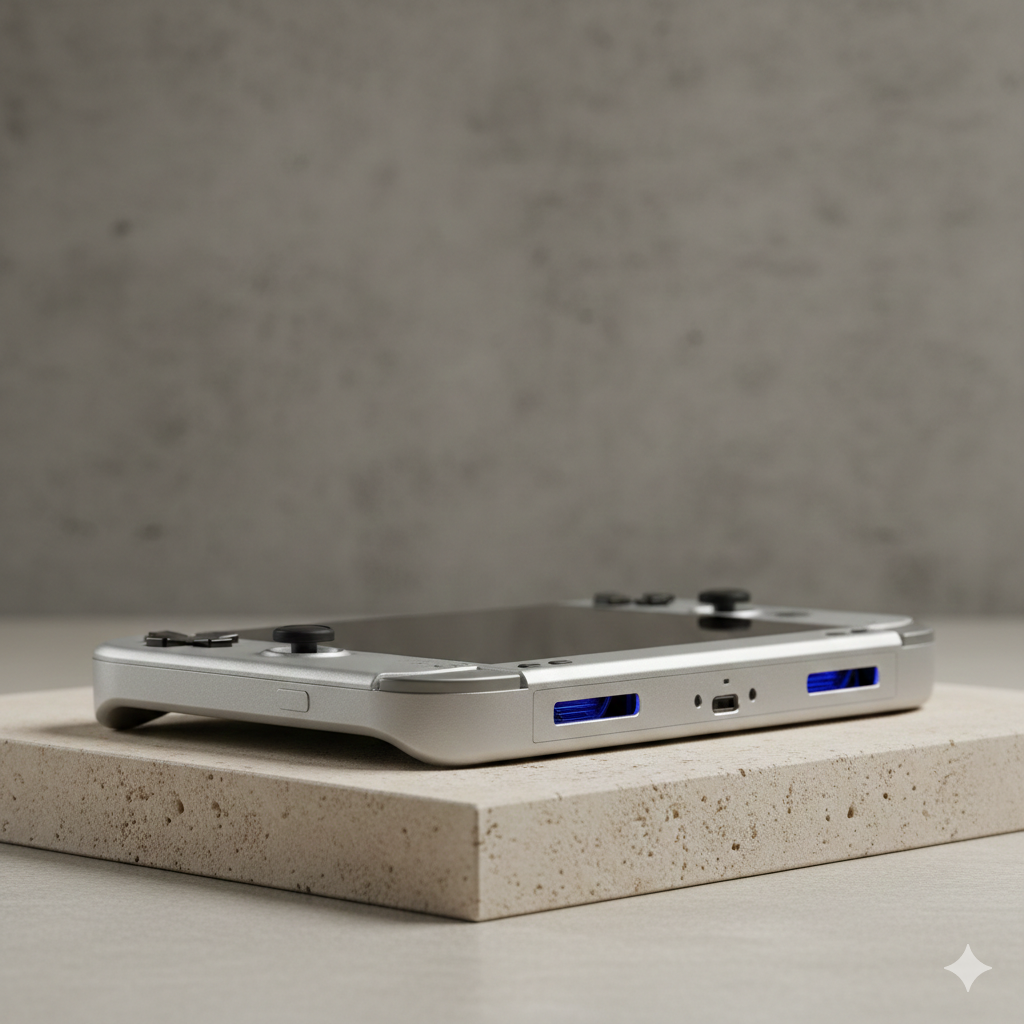
The move toward a native Xbox handheld represents a shift toward Edge Computing. We are moving away from centralized “boxes” toward decentralized, high-performance nodes.
- The Strategy: By integrating dedicated NPU (Neural Processing Unit) clusters, next-gen handhelds handle upscaling locally. This reduces the “Power Tax” while maintaining high-fidelity output.
- The Practitioner’s Skepticism: Battery density remains the primary bottleneck. If software isn’t optimized for these specific NPU architectures, users will encounter aggressive Variable Rate Shading (VRS) and blurred textures.
2. The AI-Synthesis Standard: DLSS 4.0 and the 120Hz Baseline
With GTA VI acting as the industry’s primary benchmark, a 4K/60FPS target is no longer a luxury—it is the baseline requirement. However, this is only achievable through AI Frame Generation (FG).
- Operational Insight: Modern hardware now “guesses” up to 75% of the pixels on screen. This allows for high-frame-rate stability without the massive heat signatures of traditional rendering.
- The Technical Barrier: Frame generation introduces Input Lag. Without low-latency protocols like NVIDIA Reflex or AMD Anti-Lag+, the visual smoothness becomes a superficial gain that feels unresponsive to the touch.
3. Community Audit: Pragmatism Over Marketing Hype
Data from r/hardware and verified AgFi (Agentic Finance) circles show a pivot toward Component Longevity.
- The Polling Rate Trap: Ignore the 8,000Hz marketing. Unless you are a professional esports athlete, the ROI is negligible. Prioritize Battery Density and weight reduction instead.
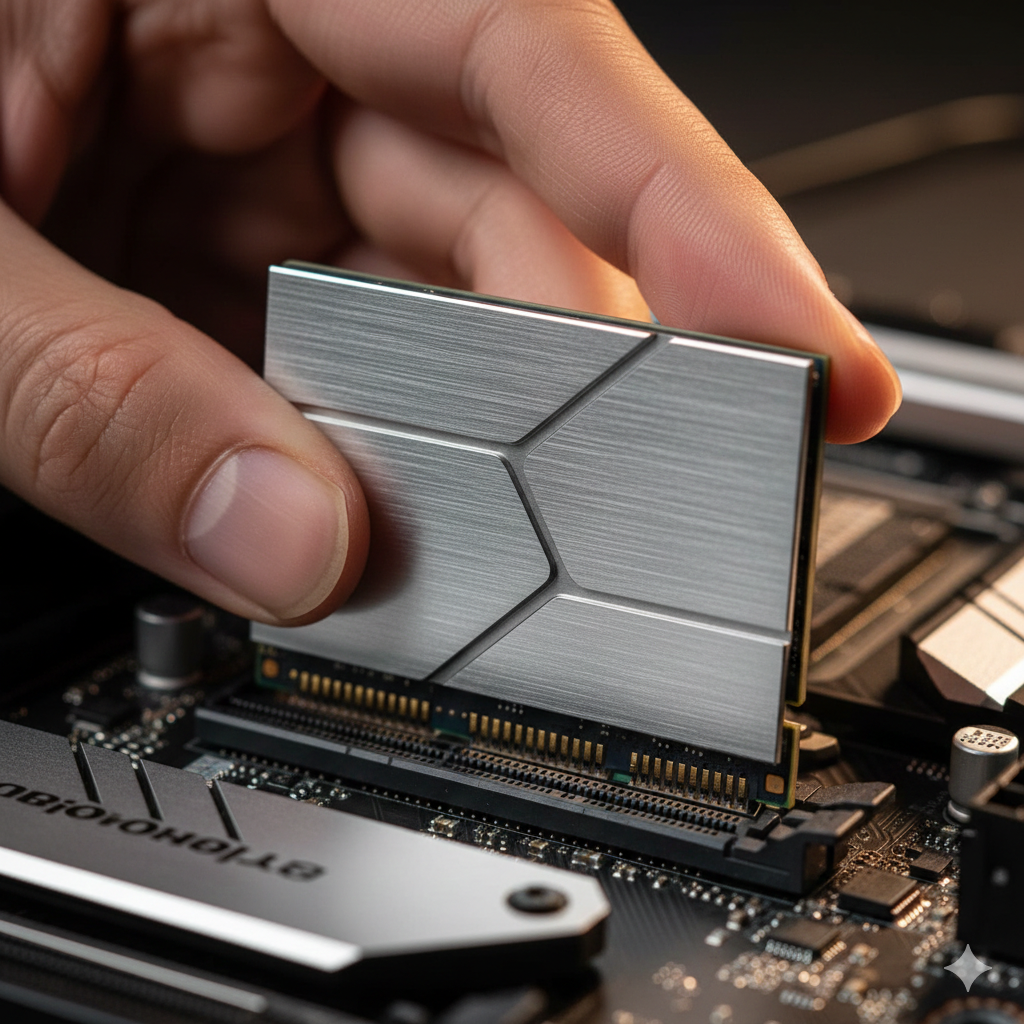
- The I/O Bottleneck: The primary killer of “immersion” in 2026 is texture pop-in. Upgrading to a high-speed NVMe Gen5 SSD is now more critical for visual stability than a GPU overclock.
- OLED Maintenance: VRR (Variable Refresh Rate) flickering on OLED panels is a persistent issue. The fix is firmware-level stability, not new hardware.
💡 Practitioner’s Pro-Tip: The “Legacy CPR” Framework
“Don’t liquidate your 30-series hardware yet.” The most effective strategy in the current efficiency war is Software-Level Optimization. By mastering AI Frame Generation mods and latency-reduction tools, you can maintain 90% of “Next-Gen” performance on 3-year-old silicon. Mastery of the settings menu is currently more valuable than a hardware upgrade.
✅ Final Action Plan: Immediate Infrastructure Audit
Evaluate your current I/O bandwidth. If you are still running your OS and AAA library on the same drive, you are sacrificing up to 15% of your frame-pacing stability. Move to a dual-NVMe setup immediately to clear the bandwidth path for 2026’s AI-driven assets.


Leave a Reply