

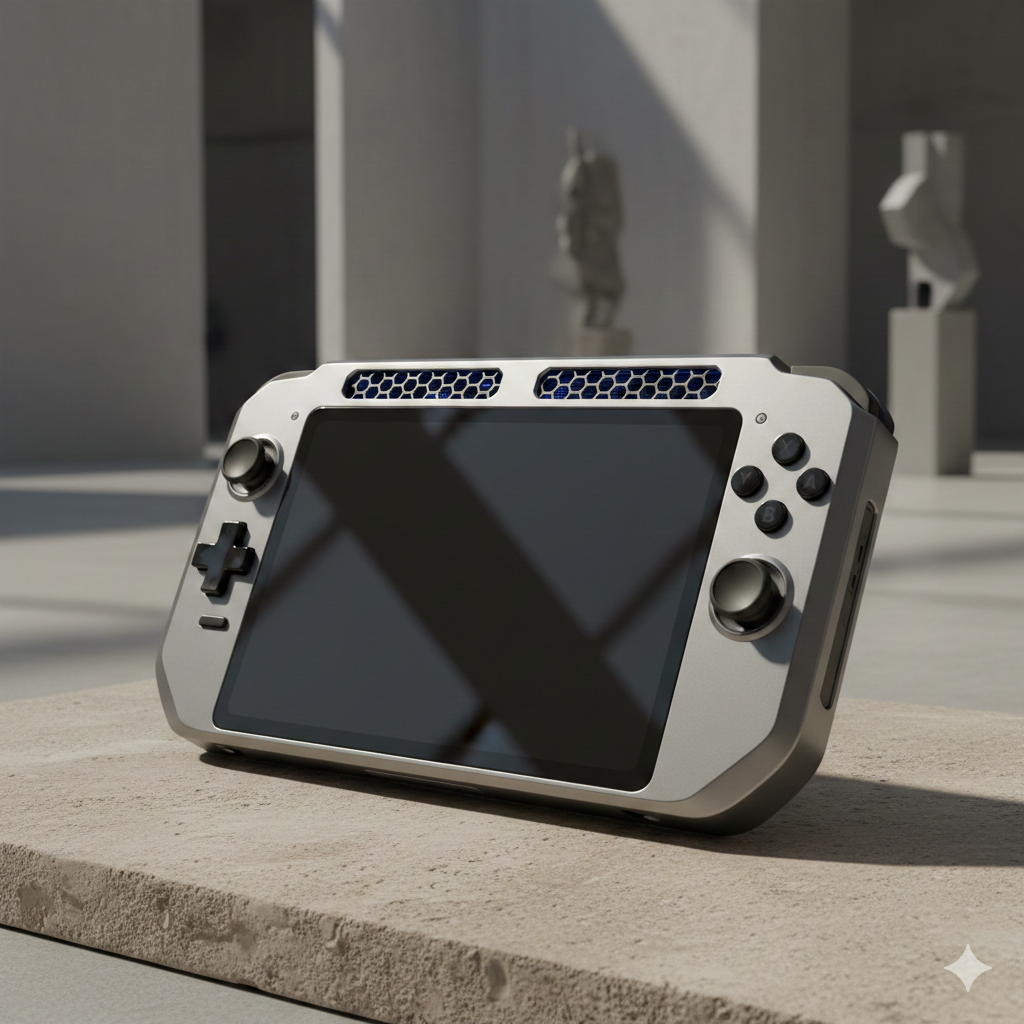
The traditional console cycle is dead, replaced by a permanent state of ecosystem expansion. As we navigate 2026, the strategic pivot at Microsoft is clear: Hardware is no longer the destination; it is the friction-free entry point into a decentralized service layer.
The “Hardware Ghost” strategy represents Microsoft’s realization that owning the living room box is a low-margin trap. By decoupling the Xbox experience from a single fixed device and embedding it into handhelds, third-party stores, and AI-driven silicon, they are effectively commoditizing the console to monopolize the distribution of interactive content.
1. The Native Handheld: Local Silicon vs. Cloud Friction
The transition from the ROG Ally X era to a native Xbox handheld is a move toward Vertical Integration. While cloud gaming was the 2024 buzzword, the 2026 reality is that latency remains the enemy of retention.
Microsoft is shifting toward dedicated local silicon—likely a custom APU optimized for the Game Pass architecture. This removes the “Windows 11 Tax” that hampers current portables, providing a console-like UX in a mobile form factor.
- The Risk: Portables live and die by battery density. If Microsoft cannot solve the performance-per-watt equation better than Valve or Sony, this becomes an expensive niche accessory rather than a platform-killer.
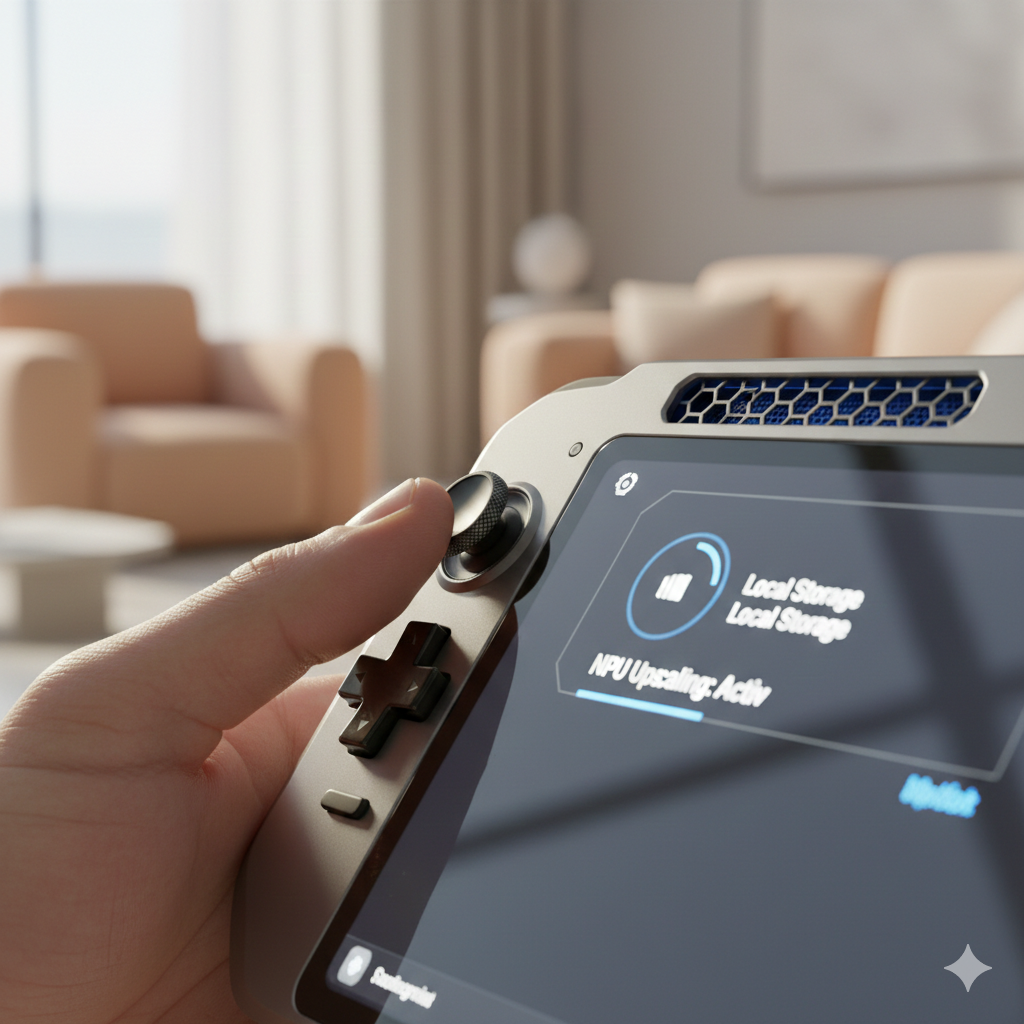
2. The NPU Pivot: Efficient Scaling Over Raw Power
The “First Mover” advantage for the 2026 next-gen launch is predicated on Neural Processing Units (NPUs). The era of massive, 300W towers is ending. By utilizing AI-powered upscaling—an evolution of the DirectSR (Super Resolution) standard—Microsoft can achieve 4K/120fps output from a significantly smaller footprint.
- Operational Insight: This isn’t just about graphics; it’s about manufacturing margins. Smaller, cooler chips lead to higher yields and lower shipping costs.
- The Risk: AI upscaling can introduce visual artifacts in high-motion competitive titles. If the NPU isn’t perfectly synced with the game engine, “Early Adopters” may face a degraded experience compared to traditional raw-power builds.
3. The Trojan Horse: Third-Party Store Integration
The most disruptive element of the 2026 roadmap is the potential opening of the Xbox dashboard to Steam and the Epic Games Store. This effectively transforms the Xbox into a standardized, “Plug-and-Play” PC.
- Strategic Logic: If Microsoft allows Steam on Xbox, they lose the 30% cut on individual game sales but gain an insurmountable lead in hardware adoption. The Xbox becomes the default “Living Room PC” for the world’s 100 million+ Steam users.
- The Risk: Opening the gates could cannibalize Xbox Store sales. Microsoft must rely entirely on Game Pass subscriptions to maintain long-term ecosystem profitability.
Practitioner’s Pro-Tip: Infrastructure Over Specs
Don’t get distracted by teraflop counts. In an Agentic Finance and automated gaming world, Latency and Bandwidth are the only specs that matter. If you are preparing for the “Hardware Ghost” era, prioritize Wi-Fi 7 infrastructure and NVMe Gen5 storage expansion. The hardware will be ephemeral; your data and connection must be permanent.
Final Action Plan
Evaluate your current hardware depreciating assets. If you are holding a fixed-console setup, consider transitioning to high-bandwidth mobile peripherals and stacking Game Pass Ultimate through 2027 before the next major subscription re-tiering occurs.